Céad Mìle Fàilte! / A Hundred Thousand Welcomes!
Commonwealth Games 2026 – Need To Know
Commonwealth Games are one of the world's largest and most prestigious international multi-sport events, bringing together athletes from across the nations and territories of the Commonwealth.
The Commonwealth Games are one of the world’s largest and most prestigious international multi-sport events, bringing together athletes from across the nations and territories of the Commonwealth. Held every four years, the Games celebrate sporting excellence, cultural diversity, friendship, and cooperation among member countries while providing a platform for elite athletes to compete on the global stage.
The 2026 Commonwealth Games (officially known as Glasgow 2026) will take place in Glasgow, Scotland, from July 23 to August 2, 2026.
Often referred to as the “Friendly Games,” the Commonwealth Games combine high-level sporting competition with a unique spirit of unity and inclusion. Unlike many other international sporting events, the Games place a strong emphasis on shared history, cultural exchange, and community engagement, making them a distinctive fixture in the global sporting calendar.
What Are the Commonwealth Games?
The Commonwealth Games are an international sporting competition involving athletes from countries and territories that are members of the Commonwealth of Nations, a voluntary association of independent states with historical ties to the former British Empire.
Today, the Commonwealth comprises 56 member countries and a population of more than 2.5 billion people, representing every inhabited continent. Participants range from some of the world’s largest nations, such as Australia, Canada, India, and the United Kingdom, to small island states in the Caribbean, Pacific, and Indian Oceans.
The Games feature a diverse programme of sports, including athletics, swimming, cycling, gymnastics, rugby sevens, hockey, netball, boxing, lawn bowls, and para-sports, among many others.
Official website: https://thecgf.com
History of the Commonwealth Games
The origins of the Commonwealth Games can be traced back to the late 19th century, when ideas emerged for a sporting festival that would strengthen ties among countries within the British Empire.
The first official event took place in 1930 in Hamilton, Ontario, Canada, under the name British Empire Games. Eleven nations participated, sending approximately 400 athletes to compete in six sports.
Over the decades, the event evolved alongside global political changes:
Timeline of the Commonwealth Games
1930–1950: British Empire Games
1954–1966: British Empire and Commonwealth Games
1970–1974: British Commonwealth Games
Since 1978: Commonwealth Games.
As former colonies gained independence and the Commonwealth expanded, the Games became increasingly diverse and representative of the modern international community.
Today, the Commonwealth Games are governed by the Commonwealth Games Federation (CGF), which oversees the organisation, rules, and development of the event worldwide.
Purpose and Values of the Commonwealth Games
The Commonwealth Games are built around a set of core values that distinguish them from many other sporting competitions.
These values include:
- Humanity
- Equality
- Destiny
- Friendship
- Excellence
- Inclusion
The Games seek to use sport as a vehicle for social development, cultural understanding, and international cooperation.
In addition to elite competition, organisers frequently promote sustainability initiatives, youth engagement programmes, accessibility projects, and community-led activities.
Sports at the Commonwealth Games
The sporting programme varies slightly from one edition to another, allowing host cities to showcase sports that are particularly popular in their region.
Some of the most prominent Commonwealth Games sports include:
- Athletics
- Swimming
- Diving
- Cycling
- Gymnastics
- Boxing
- Rugby Sevens
- Hockey
- Lawn Bowls
- Netball
- Weightlifting
- Wrestling
- Squash
- Badminton
- Triathlon
The Commonwealth Games are also recognised as a leader in integrating para-sports into the main competition programme. Para-athletes compete alongside able-bodied athletes under the same organisational framework, making the Games one of the world’s most inclusive international sporting events.
Commonwealth Games Medal Table Leaders
Historically, several nations have dominated the Commonwealth Games medal tables.
Most Successful Nations
- Australia
- England
- Canada
- India
- New Zealand
- Scotland
- South Africa
- Wales
Australia has consistently been the most successful nation in Commonwealth Games history, winning thousands of medals across multiple editions.
Interesting Commonwealth Games Facts
The Commonwealth Games are older than many people realise
The first edition was held in 1930, making the event nearly a century old.
Athletes from more than 70 teams compete
Although the Commonwealth has 56 member countries, several territories and dependencies compete separately, resulting in over 70 participating teams.
The Games feature unique sports
Sports such as lawn bowls and netball have become iconic Commonwealth Games disciplines, despite receiving less international attention elsewhere.
Para-sport integration is a major achievement
The Commonwealth Games were among the first major multi-sport events to fully integrate para-sports into the core competition schedule.
The King’s Baton Relay replaces the Olympic Torch Relay
Before each Games, a baton carrying a message from the British monarch travels throughout the Commonwealth before arriving at the Opening Ceremony.
Glasgow and the Commonwealth Games
Glasgow 2026 Commonwealth Games
Glasgow, Scotland, is once again preparing to host the Commonwealth Games in 2026, reinforcing its reputation as one of the world’s premier sporting event destinations.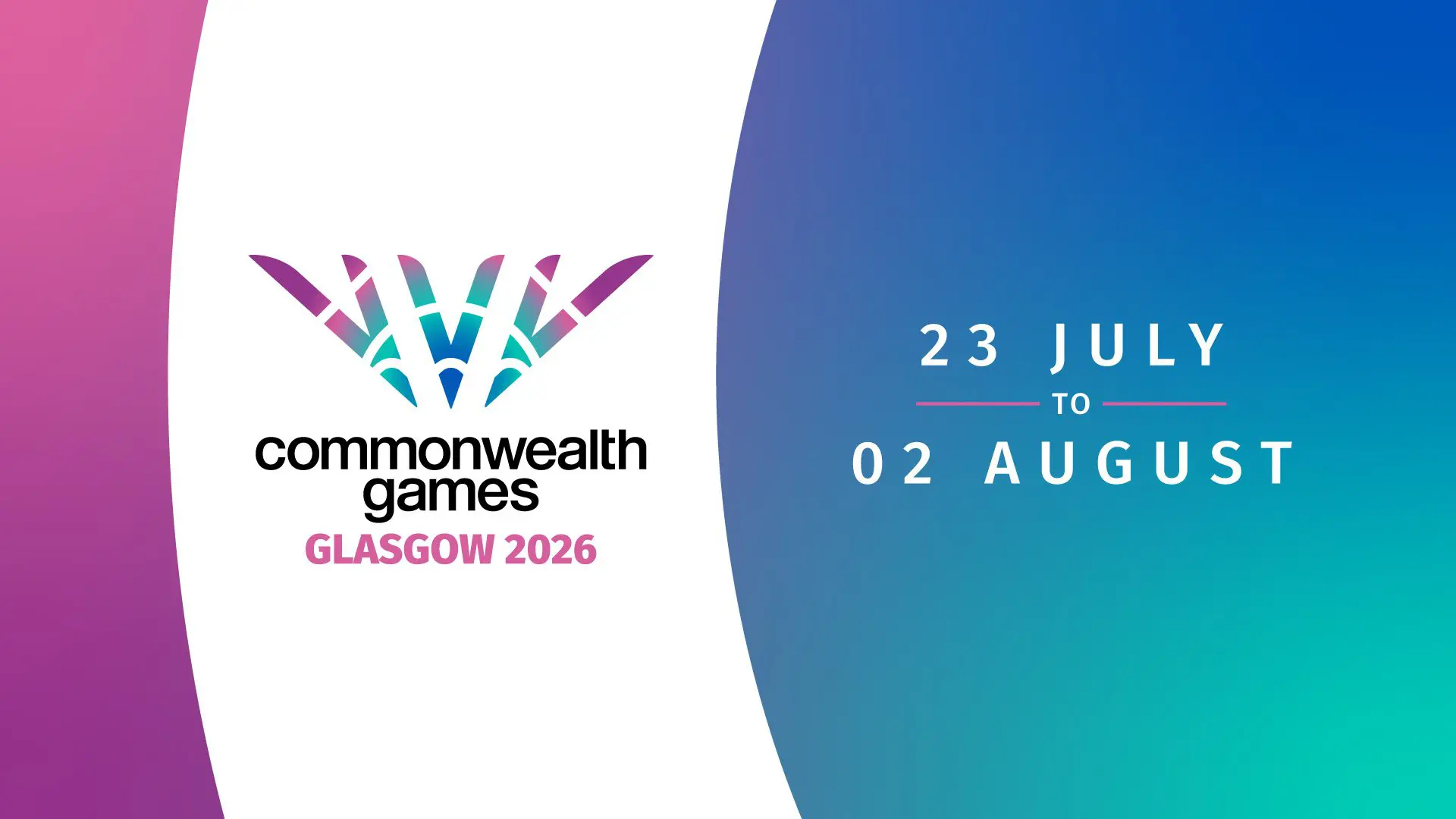
The city previously hosted the highly successful 2014 Commonwealth Games, widely praised for their organisation, atmosphere, and legacy. The event attracted athletes and spectators from across the Commonwealth and showcased Glasgow’s hospitality, sporting infrastructure, and cultural attractions to a global audience.
The Glasgow 2026 Commonwealth Games will feature a streamlined and sustainable model designed to deliver world-class competition while reducing operational costs and environmental impact.
Many of the venues used in 2014 will return for 2026, including internationally recognised sporting facilities throughout the city.
The Games are expected to generate significant economic benefits for Glasgow, supporting tourism, hospitality, retail, and local businesses while attracting international media attention.
More information is available at: https://www.glasgow2026.com
Why the Commonwealth Games Matter
The Commonwealth Games are far more than a sporting competition. They provide opportunities for athletes to achieve international success, inspire future generations, and foster connections between nations and cultures.
For many smaller countries, the Games offer a chance to compete on a level playing field with larger nations. For host cities, they provide an opportunity to invest in infrastructure, promote tourism, and showcase local culture to a worldwide audience.
The event continues to evolve with changing times, embracing sustainability, diversity, inclusion, and innovation while remaining true to its founding mission of bringing people together through sport.
Nearly a century after the first competition was held in Canada, the Commonwealth Games remain one of the most important and widely celebrated sporting events in the world, uniting millions of athletes, volunteers, and spectators in a shared celebration of excellence, friendship, and international cooperation.
Commonwealth Games Quick Facts
Founded: 1930
First Host City: Hamilton, Ontario, Canada
Frequency: Every four years
Organising Body: Commonwealth Games Federation
Participating Teams: More than 70
Member Nations of the Commonwealth: 56
<p”>Current Host City (2026): Glasgow, Scotland
Motto: Sport, friendship and unity
Official Website: https://thecgf.com
Related Topics
- Commonwealth of Nations
- Commonwealth Games Federation
- Glasgow 2026 Commonwealth Games
- Commonwealth Sports
- International Multi-Sport Events
- Para Sports
- Scottish Sport
- Sporting Events in Scotland